ylcghnepal@gmail.com ,
 Gwarko, Lalitpur, Nepal

Mental Health Awareness Workshop at Siddhimangal School
Introduction
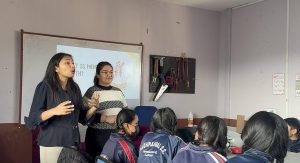
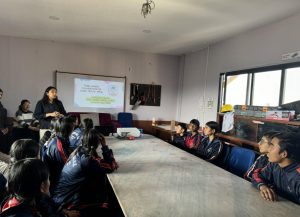
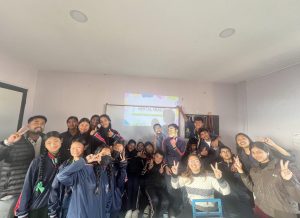
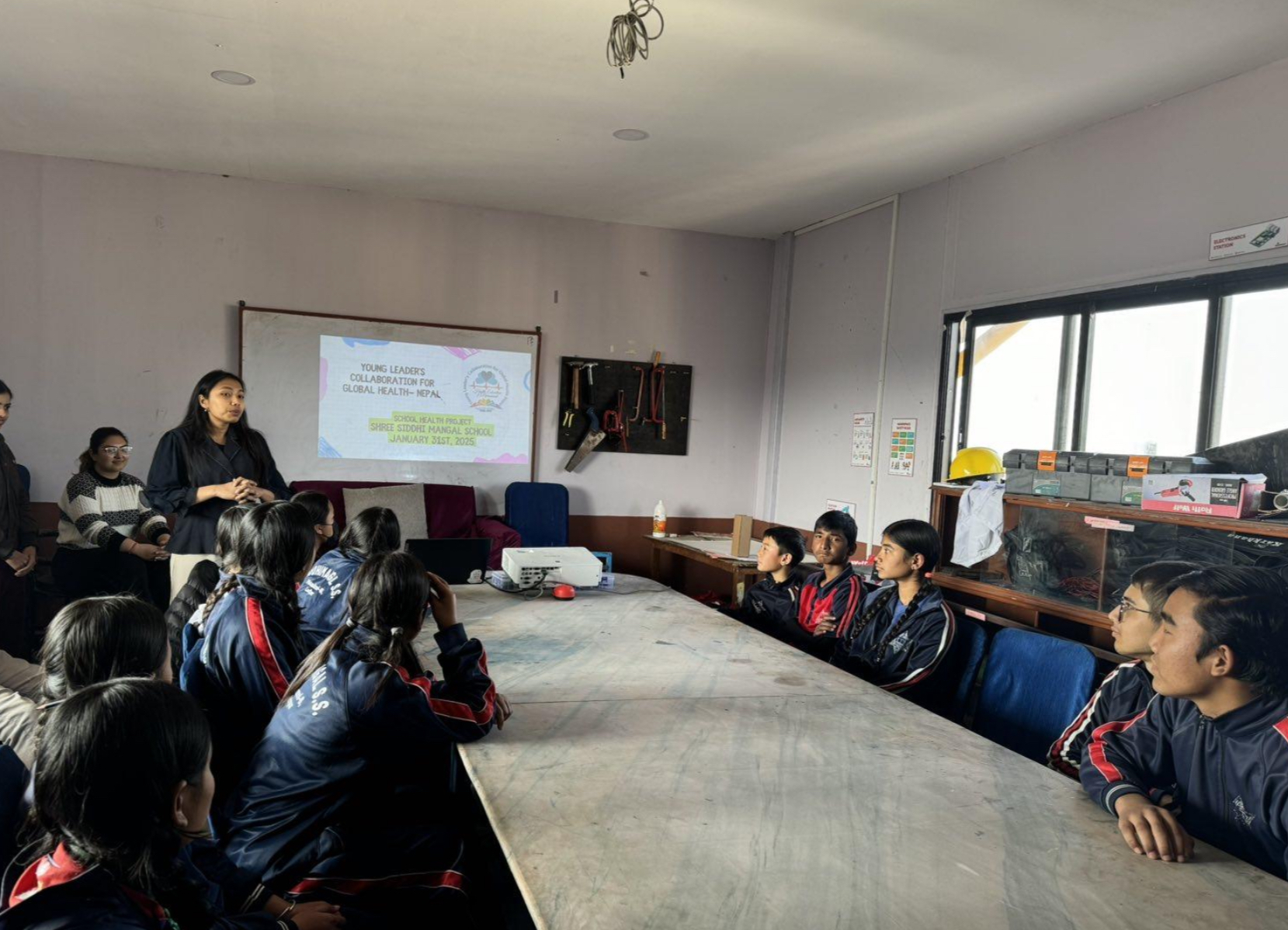
On 2081-01-31, YLCGH organized a Mental Health Awareness Workshop aimed at raising
awareness among students about the importance of mental health, recognizing signs of stress, common mental illnesses and learning strategies on improving their mental health. This workshop was part of the YLCGH initiative to promote physical, emotional and social well-being of students under the School Health Program.
Workshop Objectives
The primary goals of the workshop were:
To educate students about the significance of mental health.
To provide resources and coping strategies for managing stress, anxiety, and other
mental health challenges.
To promote an open, stigma-free environment for discussing mental health.
To encourage students to seek help when necessary and access available resources.
Overview of the Session
The workshop was structured in an interactive format, combining both informative sessions and hands-on activities to engage the students. The content covered the following key areas:
1. Understanding Mental Health
The session began by explaining the concept of mental health, emphasizing its importance as part of overall well-being. Students were encouraged to reflect on their own mental health and consider how their thoughts, feelings, and behaviors could affect their daily lives.
2. Common Mental Health ChallengesThe session highlighted common mental health challenges faced by students, including stress,
anxiety, depression, and addiction. Relatable examples and stories were used to help students connect with the material.
3. Recognizing Signs of Mental Health Struggles
Students were taught how to identify early signs of mental health issues, both in themselves and their peers. This part of the session included practical advice on how to approach someone who might be struggling and the importance of listening without judgment.
4. Coping Strategies
The workshop introduced a range of coping mechanisms, including mindfulness, exercise,
journaling, and time management skills. The students participated in a guided mindfulness
activity to experience firsthand how it can help manage stress and anxiety.
5. Seeking Help and Support
An overview of the mental health resources available within the school (e.g., counseling
services, peer support groups) and in the wider community (e.g., helplines, online resources) were given. Students were encouraged to reach out for support if they needed it.
The workshop included series of interactive activities designed to engage students and foster a better understanding of mental well-being. These included:
1. 2. 3. 4. Mindfulness Exercises: A session was dedicated to teaching students simple
mindfulness techniques, such as deep breathing and grounding technique (5-4-3-2-1) to
manage stress and anxiety in their daily lives.
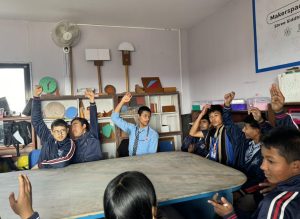
Quiz: A short quiz session was included to evaluate the students’ understanding and the
ones who gave the right answers were awarded with chocolate.
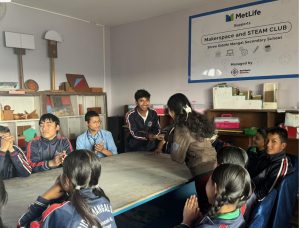
Q&A Session: Students had the opportunity to ask questions, share personal
experiences, and receive advice on handling mental health challenges.
Dance: Students participated in self affirmation dance with theme of “BELIEVE IN
YOURSELF”
Key Takeaways
Mental Health is Just as Important as Physical Health: One of the key messages was
the importance of recognizing mental health as an integral part of overall well-being.
Mental health challenges are just as real and valid as physical health issues, and
students were encouraged to prioritize self-care.
Early Intervention is Crucial: The workshop emphasized that early detection of mental
health issues and seeking help promptly can significantly improve outcomes. It also
highlighted the importance of talking to trusted adults, friends, or counselors when
experiencing mental distress.
Resources Available: Students were provided with information about resources
available both within the school, such as counseling services, and external resources,
including helplines and online platforms for mental health support.
Destigmatizing Mental Health: The workshop worked to break down the stigma
surrounding mental health issues, encouraging students to view seeking help as a
strength rather than a weakness.
Student Feedback
The feedback collected from students after the workshop indicated a positive response:
Increased Awareness: Many students reported feeling more informed about mental
health and how to recognize signs of stress and mental health illness in themselves and
others.
Increased Comfort: Several students expressed feeling more comfortable talking about
mental health issues and appreciated the open environment provided during the
discussions.
Interest in Further Resources: A number of students expressed interest in attending
future workshops or seeking additional counseling services.
Conclusion
The Mental Health Awareness Workshop at Siddhi Mangal School was a successful initiative in raising awareness and promoting open conversations about mental well-being among students.
The event provided valuable insights into the importance of mental health, offered practical tools for managing stress and anxiety, and helped reduce the stigma surrounding mental health issues.
Recommendations
Follow-up Workshops: It is recommended to host follow-up sessions to dive deeper
into specific topics such as anxiety management, depression, and resilience-building.
Peer Support Networks: Encouraging the formation of peer support groups where
students can share experiences and provide mutual support could further enhance
mental health awareness in the school community.