ylcghnepal@gmail.com ,
 Gwarko, Lalitpur, Nepal

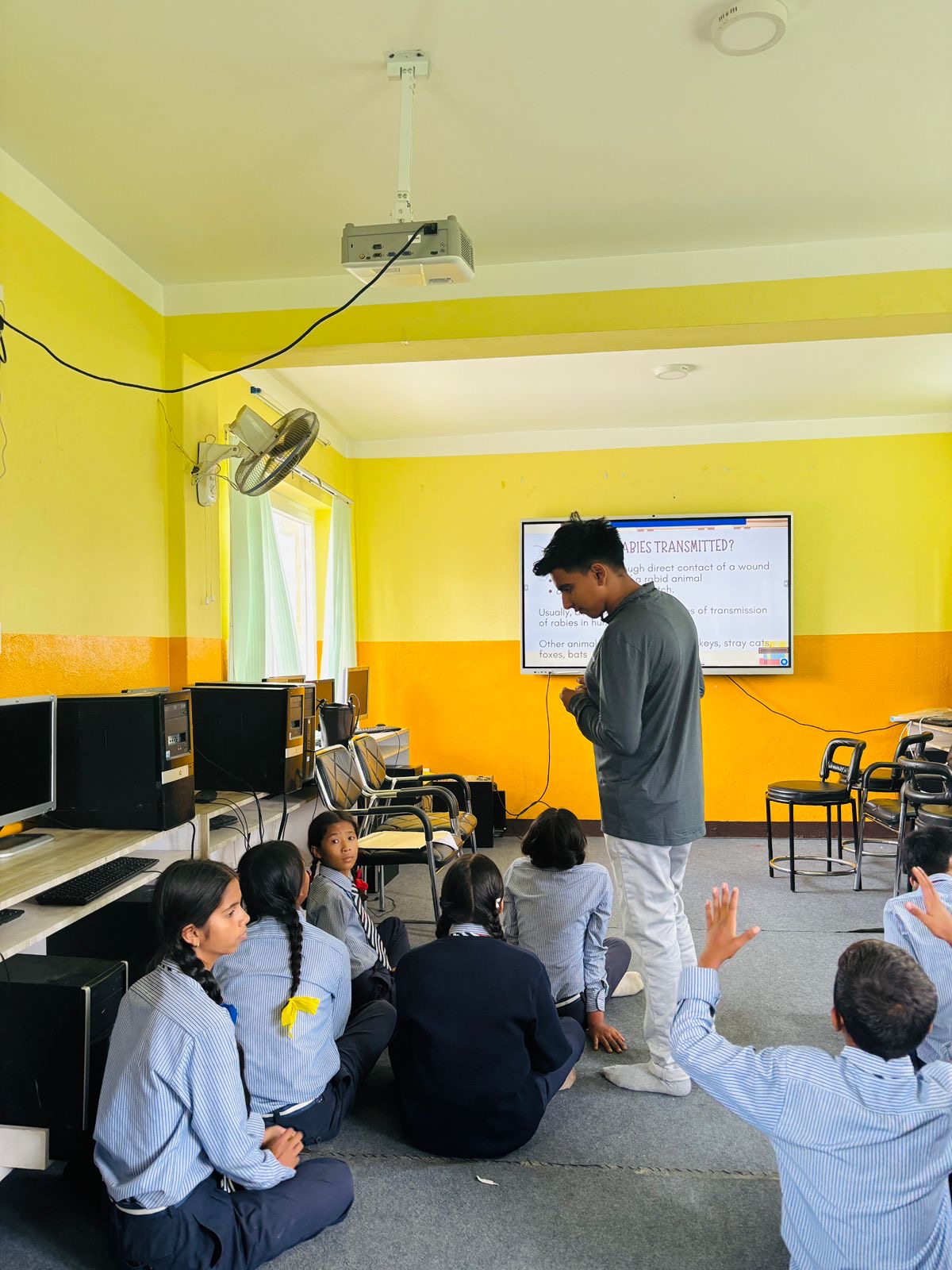
Workshop on First Aid for animal bite
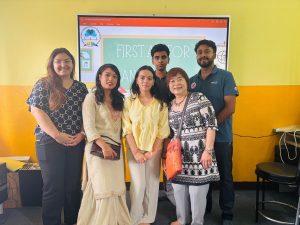
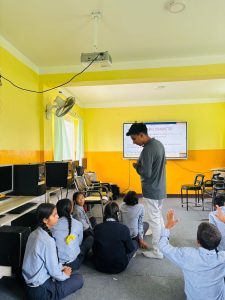
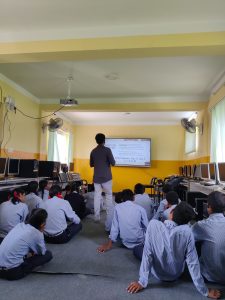
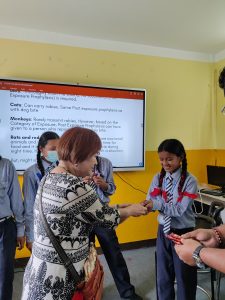
Under the Young Leaders Collaboration for Global Health (YLCGH) Nepal initiative, a school health education session on First Aid for Animal Bite was conducted at Shree Bhanodaya School on 20th August 2025. Targeted at selected students from grades 7 and 8, the session aimed to create peer-educators who could share correct first-aid actions and rabies prevention messages with their families and communities.
Objectives
- Teach students immediate first-aid steps after an animal (dog) bite.
- Explain rabies transmission, symptoms, and the importance of timely post-exposure prophylaxis (PEP).
- Reinforce wound washing technique and the recommended duration for cleaning.
- Identify animals that can transmit rabies and common signs of rabid animals.
- Select and motivate student leaders to spread the information in their peer groups and households.
Participants
- Grades: 7 and 8
- Total number of participants: 19 students
Methodology
The session followed a three-phase interactive format:
Phase 1: Pre-test
A baseline assessment (12 MCQ items in Nepali/English) was administered to assess existing knowledge on animal bites, wound care, rabies transmission, and PEP schedules.
Phase 2: Presentation & Demonstration
Covered topics:
- Causes and modes of rabies transmission (infected saliva into fresh wound).
- Immediate first-aid steps (wash wound with soap and water giving emphasis on duration).
- Do’s and don’ts after a bite (e.g., avoid tight bandaging, seek medical care).
- Animals that can carry rabies (dogs, cats, bats, etc.).
- PEP schedule and importance of hospital visit after an exposure.
Phase 3 : Post-test
The same MCQ questionnaire was repeated to measure knowledge gain and retention immediately after the session.
Outcomes
- Knowledge gain: Overall improvement in correct responses from pre-test to post-test across most items.
- Peer-education readiness: Selected students expressed willingness to teach friends and family and serve as student leaders in community awareness.
Observations
- Many students were engaged and asked relevant questions about where rabies comes from and why prolonged wound washing matters.
- Question 9 (the statement regarding whether someone bitten again within 3 months of completing all anti-rabies vaccination needs only wound cleaning and no extra vaccines) was answered incorrectly by many students in the pre-test. After the presentation, students answered this item very well in the post-test, demonstrating clear conceptual correction.
The small group size helped keep disturbances low and allowed individual attention.