
 ylcghnepal@gmail.com ,
 Gwarko, Lalitpur, Nepal

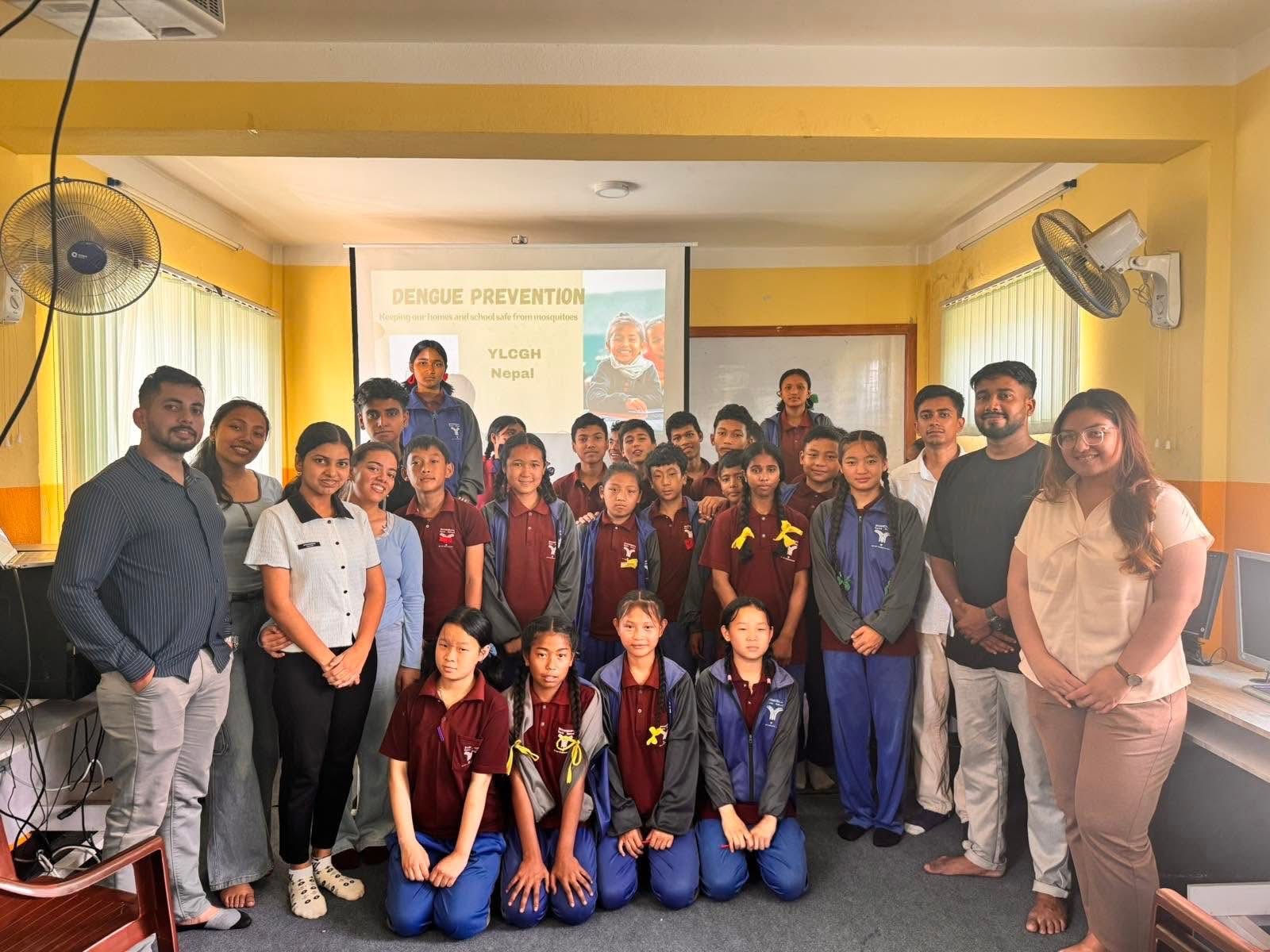
Dengue prevention Workshop
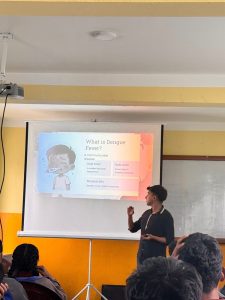
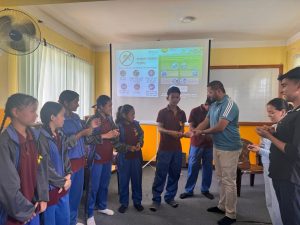
Under the Young Leaders Collaboration for Global Health (YLCGH) Nepal initiative, a school health project on ‘Dengue Prevention’ was conducted at Shree Bhanodaya School on 27th June 2025. Targeted at grades 7 and 8, the project equipped students with essential knowledge to identify dengue risks, eliminate mosquito breeding sites, and adopt personal protection strategies in their homes and community.
Objectives
1. Educate students on dengue transmission, symptoms, and severe warning signs.
2. Identify breeding sites of ‘Aedes’ mosquitoes and methods to eliminate them.
3. Promote personal protection measures (e.g., nets, repellents, clothing).
4. Encourage peer-to-peer knowledge sharing for community impact.
Participants
Grades 7 and 8 students.
Total number of Participants: 28 students.
Methodology
The project used an interactive approach across three phases:
Phase 1: Presentation
Covered key topics:
- Dengue symptoms and severe warning signs
- Biology and behavior of Aedes mosquitoes .
- Breeding sites (indoor/outdoor) of mosquito and prevention strategies
- Personal protection tools
- Visual aids included illustrations of breeding sites (e.g., water drums, tires) and protective measures (e.g., nets, repellents).
Phase 2: Preventive Measures Identification
- Students were shown pictures of dengue prevention methods (e.g., covered water tanks, mosquito nets, repellent creams).
- Participants correctly identified each method and explained their role in prevention: Example: “Covering water tanks stops mosquitoes from laying eggs.”
Our team members reinforced scientific rationale and clarified doubts.
Phase 3: Quiz
A 10-question quiz assessed knowledge retention
Questions were based on MCQ format. All of the questions were correctly answered by the students.
Outcomes
1. Practical Understanding: All 28 students accurately identified prevention methods and explained their functionality.
2. Behavioral Change: Students committed to applying strategies (e.g., weekly water container cleanup, using nets).
3. Community Advocacy: Participants agreed to share knowledge with families, amplifying project impact.
Observations
- Students were particularly engaged by the daytime-biting behavior of Aedes mosquitoes and the role of clean standing water in breeding.
- Students showed high interest in learning the methods that helped eradicate the mosquito breeding sites.