ylcghnepal@gmail.com ,
 Gwarko, Lalitpur, Nepal

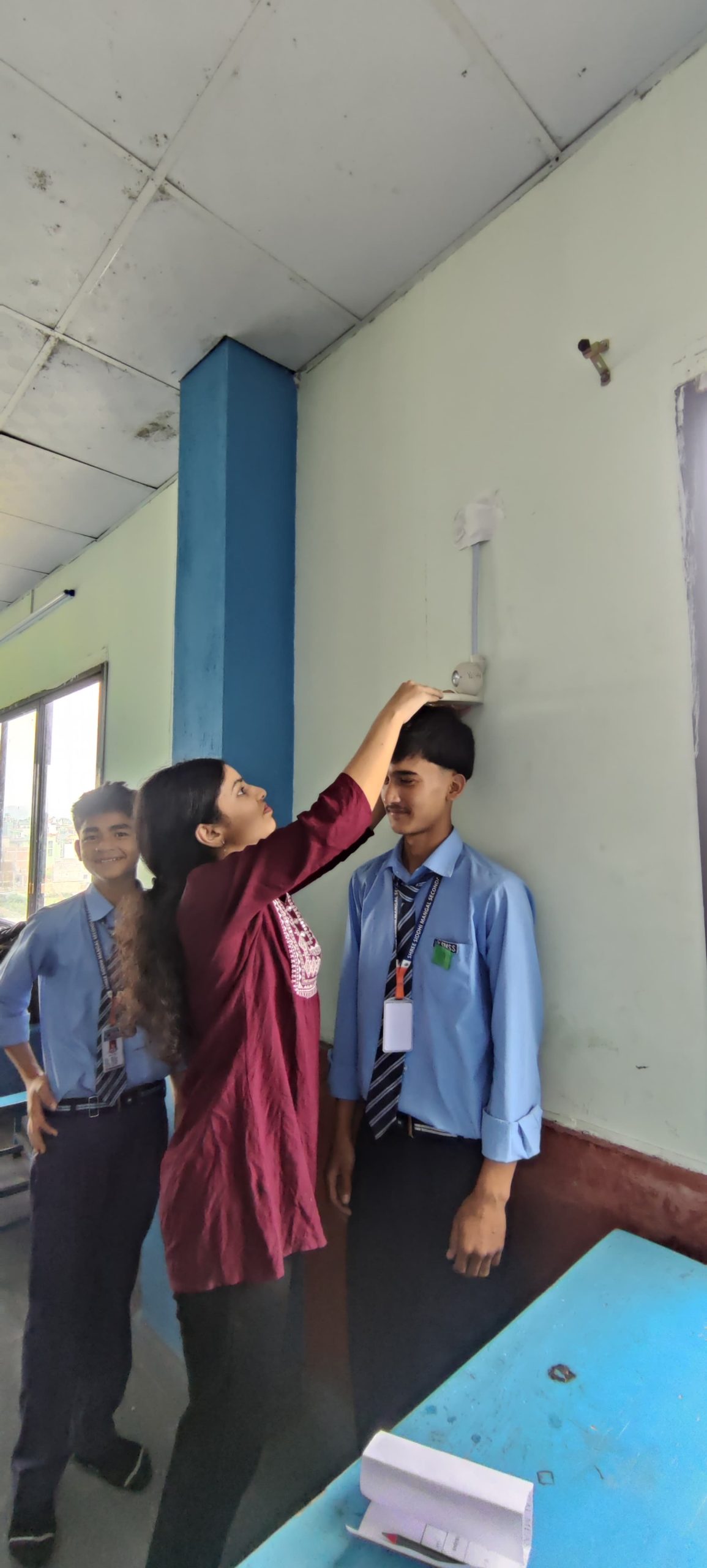
Anthropometric measurement and Vision Screening Program – Shree Siddhimangal School
Anthropometric measurement and Vision Screening Program – Shree Siddhimangal School
Date: 8th September, 2024
Venue: Shree Siddhimangal School, Mahalaxmi
Time: 11:00 AM – 3:00 PM
Participants: Students from Grade 1 to Grade 8
Organized by : YLCGH-Nepal
Background
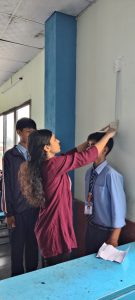
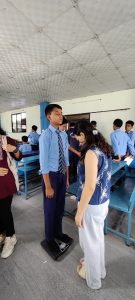
The YLCGH-Nepal team conducted an Anthropometric and Vision Screening Program at Shree Siddhimangal School. Recognizing that both growth monitoring and vision health are essential for children’s learning and development, the initiative recorded students’ height, weight, and vision.
Objectives
- To measure and record the height and weight of all students from Grade 1 to Grade 8.
- To assess students’ vision using the Snellen chart.
- To engage students as volunteers in assisting with the measurement process also building leadership skills among children.
- To create a baseline dataset for monitoring growth and vision in future follow-ups.
Materials Used
- Weighing scales
- Stadiometers and height charts
- Snellen chart for vision assessment
- Record sheets
Methodology
Phase 1: Data Collection
- The height and weight of all students were measured systematically.
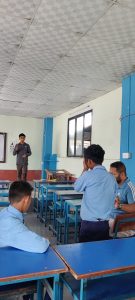
- Vision screening was conducted using a Snellen chart, and results were recorded.
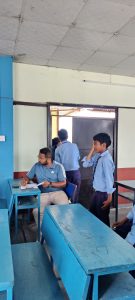
- Students were guided through the process in small batches to ensure accuracy.
Outcome
- Baseline Measurements:
- Height, weight, and vision status of all students were successfully recorded.
- Data will serve as a baseline for monitoring health and vision in future visits.
- Student Leadership:
- Students demonstrated responsibility and teamwork by volunteering in the process.
- They actively participated in measurement recording, enhancing ownership of the program.
Observations
- Student Engagement:
- Students showed great enthusiasm in both participating and assisting.
- Their curiosity about growth and vision helped maintain a lively learning environment.
- Vision Findings:
- Some students were identified with possible vision difficulties, highlighting the need for further evaluation.
Recommendations
- Conduct periodic follow-up visits for both anthropometric and vision assessments.
- Involve teachers of the school actively in the physical measurements making them eligible for conducting the measurements themselves.
- Introduce awareness sessions on eye care.
Conclusion
The Anthropometric and Vision Screening Program at Shree Siddhimangal School was a meaningful extension of YLCGH-Nepal’s health initiatives. Not only were students’ growth and vision assessed, but the program also fostered student leadership through volunteer engagement. The team looks forward to conducting further sessions and strengthening health awareness among schools in the community. YLCGH-Nepal team thanks Shree Siddhimangal school for their cooperation